
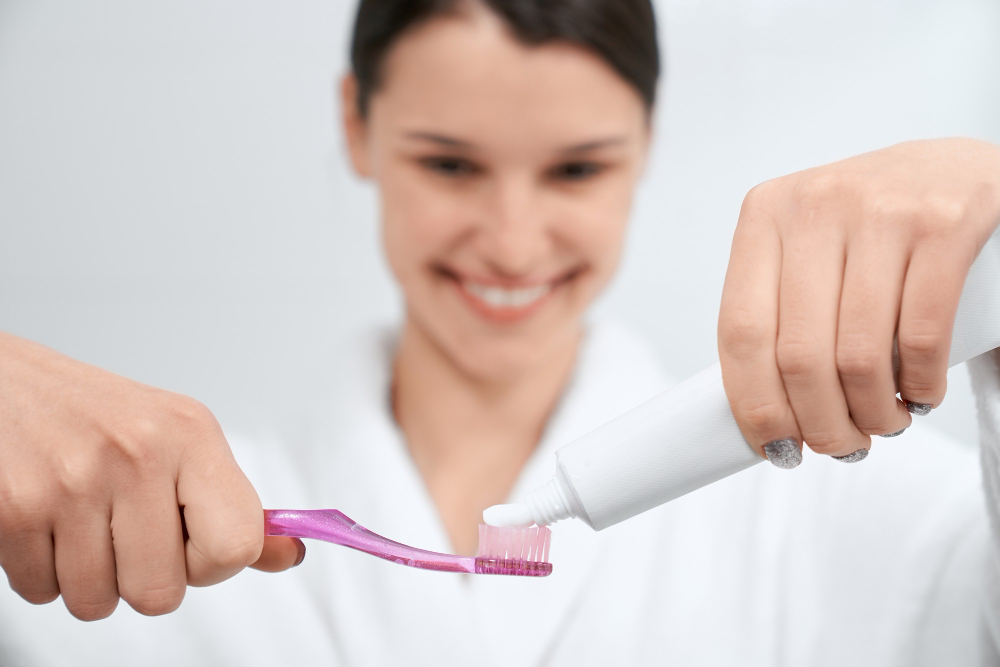
How to Choose the Best Toothbrush and Toothpaste
Selecting the right oral care products can feel overwhelming when walking down the dental aisle. Dozens of toothbrush styles and toothpaste formulas claim to give you the ultimate clean.
Choosing the right combination directly impacts your daily plaque removal and enamel protection. Using improper tools can cause long-term enamel wear or gum recession.
At Dr. Jatin Agarwal’s Dental Perfection, we guide patients toward products tailored to their specific oral health needs. Here is a comprehensive guide on selecting the best toothbrush and toothpaste for your daily routine.
Part 1: How to Choose the Right Toothbrush
Soft Bristles vs. Hard Bristles
Always select a soft-bristled toothbrush unless explicitly instructed otherwise by your dentist. Soft bristles bend easily to clean under the gumline and fit around irregular tooth contours.
Medium and hard bristles are too abrasive for daily use. Scrubbing with stiff bristles wears away tooth enamel over time. It can also cause tissue recession, exposing sensitive roots.
Manual vs. Powered Electric Toothbrushes
Both manual and electric toothbrushes clean effectively when used with proper technique for two minutes. However, electric toothbrushes offer distinct advantages for many patients.
Electric toothbrushes deliver thousands of micro-movements per minute to break up stubborn plaque effortlessly. They are especially helpful for individuals with arthritis, limited dexterity, or orthodontic braces.
Head Size and Handle Ergonomics
The size of your toothbrush head determines how easily you reach every corner of your mouth. A compact head allows you to comfortably clean posterior molars and narrow spaces.
Choose a head size roughly one inch long and half an inch wide for optimal control. Ensure the handle offers a non-slip grip that feels comfortable and natural in your hand.
When to Replace Your Toothbrush
Using a worn toothbrush reduces your cleaning efficiency and can harbor harmful oral bacteria. Frayed bristles lose their flexibility and fail to sweep away plaque along the gumline.
Replace your manual toothbrush or electric brush head every three months. You should also replace it immediately following a illness like a cold or flu to prevent re-infection.
Part 2: How to Choose the Right Toothpaste
Fluoride: The Essential Ingredient
Fluoride remains the single most important ingredient in any toothpaste formula. It strengthens tooth enamel against acid attacks and remineralizes early stage decay.
Non-fluoride toothpastes may freshen breath, but they do not protect against cavities. Always check the packaging to verify that your toothpaste contains fluoride.
Toothpaste for Sensitive Teeth
If cold drinks, hot soup, or sweet treats cause sharp pain, you likely have sensitive teeth. Toothpaste specifically formulated for sensitivity offers effective, daily relief.
These formulas contain compounds like potassium nitrate or stannous fluoride. They block exposed microscopic tubules in dentin, stopping pain signals from reaching the nerve.
Whitening Toothpastes: Benefits and Caution
Whitening toothpastes remove surface stains caused by coffee, tea, and colorful foods. They use mild abrasives or chemical agents to polish outer enamel surfaces.
However, whitening toothpastes cannot change the natural intrinsic color of your teeth. Overusing highly abrasive whitening formulas can erode enamel, leading to increased tooth sensitivity over time.
Tartar Control and Anti-Gingivitis Formulas
Tartar-control toothpastes contain active agents like zinc citrate or pyrophosphates. These ingredients prevent plaque from calcifying into hard tartar (calculus) above the gumline.
Anti-gingivitis formulas feature antibacterial ingredients that reduce harmful oral bacteria. They help soothe inflamed gums and prevent early stage gum disease from progressing.
Natural Toothpaste Alternatives
Natural toothpastes often avoid artificial colors, synthetic flavors, and preservatives. They utilize plant-based oils and natural mineral polishers to clean teeth.
If you prefer natural products, ensure the formula still contains fluoride for cavity protection. Discuss natural alternatives with your dentist to confirm they provide adequate enamel defense.
Essential Ingredients: What They Do
| Ingredient | Primary Purpose | Best For |
| Fluoride | Strengthens enamel and prevents cavities | Everyone |
| Potassium Nitrate | Desensitizes tooth nerves to block pain | Sensitive teeth |
| Stannous Fluoride | Fights bacteria and prevents gingivitis | Gum disease prevention |
| Pyrophosphates | Prevents plaque from turning into hard tartar | Tartar buildup |
| Hydrated Silica | Polishes away extrinsic surface stains | Stain removal |
Frequently Asked Questions
Is an expensive toothbrush always better?
Not necessarily. A standard, soft-bristled manual toothbrush used twice daily with proper technique protects your teeth effectively. Advanced features on electric models add convenience, but consistency matters most.
How do I know if my toothpaste is too abrasive?
Toothpastes with high Relative Dentin Abrasivity (RDA) ratings can wear down enamel over time. Look for formulas with mild polishers or ask your dentist for low-abrasivity recommendations if you have sensitive enamel.
Can toothpaste rebuild lost enamel?
Enamel cannot regrow once it completely wears away. However, fluoride toothpastes can remineralize weak spots in outer enamel before full cavities develop, effectively reversing early decay.
Protect Your Smile with Expert Guidance
Selecting the right oral care tools forms the foundation of lifelong dental health. Using products matched to your unique oral profile prevents cavities, protects sensitive gums, and preserves your natural enamel.
If you are unsure which toothbrush or toothpaste suits your specific needs, our team is ready to assist you.
Visit Dr. Jatin Agarwal’s Dental Perfection
-
Address: Behind Satya Sai School, A-9, AB Road, Vasant Vihar Colony, Indore, Madhya Pradesh 452010
-
Phone: +91 79990 35453