-
How Often Should You Visit the Dentist? A Complete Guide
Knowing when to schedule a dental checkup is a vital part of maintaining your long-term health. While many people only book an appointment when they experience discomfort, routine preventive care prevents minor issues from escalating into painful, costly conditions.
At Dr. Jatin Agarwal’s Dental Perfection, we emphasize tailored, preventive dental care. Here is your complete guide to understanding how often you should visit the dentist, why frequency varies by individual, and what happens during a professional checkup.
The Standard Rule: Every 6 Months
The general recommendation for most children and adults is to visit the dentist every six months for a routine checkup and professional cleaning.
Bi-annual visits allow your dentist to clean areas that your toothbrush and floss cannot reach. They also enable early detection of tooth decay, gum issues, and other oral health conditions before symptoms even become noticeable.
High-Risk Patients: Visits Every 3 to 4 Months
Certain individuals require more frequent dental care due to elevated risks of oral diseases or systemic health conditions.
-
People with Gum Disease: Managing periodontitis requires professional deep cleaning (scaling and root planing) every three to four months to keep bacterial pockets controlled.
-
Smokers and Tobacco Users: Tobacco significantly increases the risk of severe gum disease, dry mouth, and oral cancer, demanding closer observation.
-
Diabetics: Diabetes impairs the body’s immune response, making patients far more susceptible to gum infections and slow healing.
-
Pregnant Individuals: Hormonal changes during pregnancy frequently cause “pregnancy gingivitis,” requiring additional professional monitoring.
Low-Risk Patients: Annual Visits
In select cases, adults with exceptional oral hygiene and a history of zero cavities or gum issues may only need to visit once a year.
Your dentist determines your risk profile based on your enamel strength, plaque buildup rate, diet, and history of dental work. Never switch to an annual schedule without explicit approval from your practitioner.
What Happens During a Routine Dental Checkup?
A standard dental visit involves two primary components: a thorough clinical examination and a professional cleaning.
-
Comprehensive Examination: Your dentist checks each tooth for decay, evaluates existing fillings or crowns, inspects your gums for inflammation, and performs a soft-tissue oral cancer screening.
-
Professional Cleaning (Prophylaxis): A dental hygienist or dentist uses specialized ultrasonic instruments to remove hardened tartar (calculus) and plaque, followed by surface polishing.
-
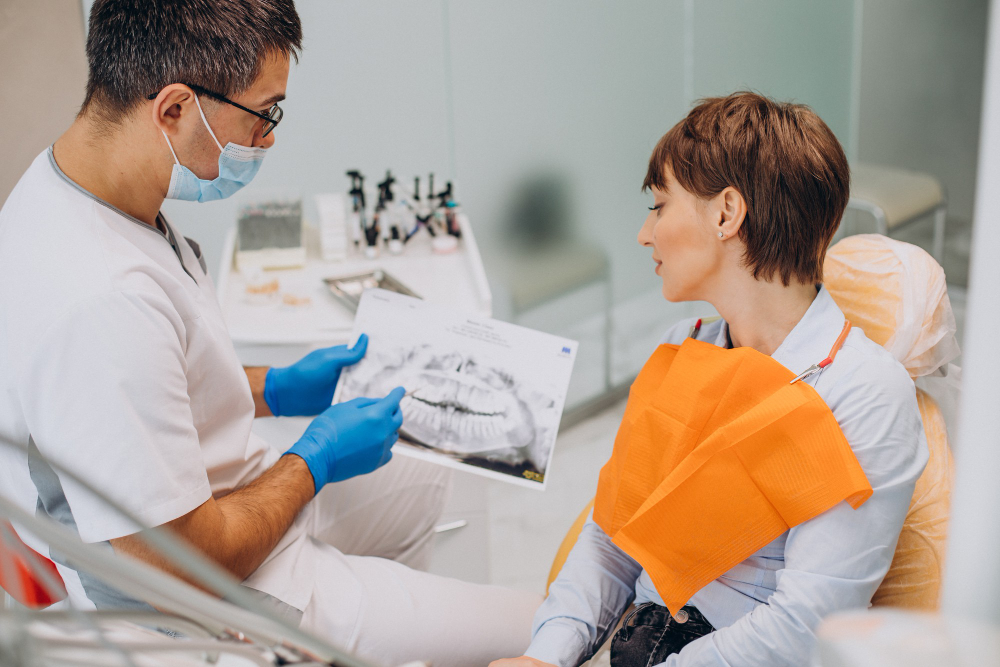
Diagnostic X-Rays: Periodic dental X-rays reveal hidden decay between teeth, bone density levels around roots, and impacted teeth below the gum line.
Warning Signs: When to Visit the Dentist Immediately
You should never wait for your next scheduled bi-annual appointment if you experience unexpected oral symptoms. Early intervention resolves issues simply before extensive restorative work becomes necessary.
Contact your dental clinic promptly if you notice any of the following warning signs:
-
Persistent or throbbing tooth pain
-
Bleeding, swollen, or receding gums when brushing or flossing
-
Increased sensitivity to hot, cold, or sweet foods
-
Chronic bad breath that does not improve after brushing
-
Clicking, popping, or pain in your jaw joint (TMJ)
-
A loose adult tooth or an unstable restoration (filling, crown, or bridge)
Summary: Recommended Dental Visit Frequencies
Patient Category Recommended Frequency Primary Objective Standard / Low Risk Every 6 to 12 months Preventive cleaning, decay check, and routine maintenance Active Gum Disease Every 3 to 4 months Bacterial control, pocket reduction, and periodontal maintenance Smokers & Diabetics Every 3 to 4 months Infection monitoring and specialized oral health checks Symptomatic Patients Immediate appointment Diagnosis and treatment of active pain or structural damage Frequently Asked Questions
Do I really need to go if my teeth do not hurt?
Yes. Tooth decay and early gum disease rarely cause pain in their initial stages. Pain typically occurs only after damage reaches the sensitive inner nerve of the tooth.
Why can’t I just clean tartar off my teeth at home?
Once soft plaque hardens into mineralized tartar (calculus), home brushing and flossing cannot remove it. Attempting to scrape tartar off at home using metal tools can permanently damage your enamel and gum tissue.
Are dental X-rays safe during routine checkups?
Modern digital dental X-rays produce extremely low levels of radiation. They are safe for adults and children and provide crucial diagnostic insight into hidden structures beneath the gums.
Schedule Your Preventive Checkup Today
Regular dental visits protect your natural teeth, safeguard your overall health, and keep your smile looking its best. Partnering with a dedicated dental care team ensures personalized attention suited to your unique risk factors.
For comprehensive preventive checkups, gentle cleanings, and expert advice, visit our clinic.
Visit Dr. Jatin Agarwal’s Dental Perfection
-
Address: Behind Satya Sai School, A-9, AB Road, Vasant Vihar Colony, Indore, Madhya Pradesh 452010
-
Phone: +91 79990 35453
-
How Often Should You Visit the Dentist? A Complete Guide